5 Signs Your Windscreen Rubber Seal Needs Replacement
A windscreen rubber seal does much more than finish the edge of your vehicle’s glass. It helps keep water, dust and outside noise away from the cabin while supporting a secure windscreen installation. As seals age, cracks, brittleness and gaps can develop without immediately being obvious. Recognising the warning signs early can help prevent leaks and other problems from becoming more serious.

1. Visible Cracks, Splits or Brittle Rubber
A healthy rubber seal should remain flexible and sit consistently around the windscreen. Over time, however, ultraviolet exposure, temperature changes, moisture and general ageing can cause the material to harden. Once rubber loses its flexibility, it may develop fine cracks, splits or sections that look dry and brittle. These defects can be easier to see along the upper edge of the windscreen, where the seal receives direct sunlight.
A seal does not have to be completely broken before it becomes a concern. Small cracks can gradually extend as the vehicle body flexes during normal driving. Opening and closing doors, travelling over uneven roads and changes in temperature can all place small stresses on the windscreen area. A seal that looks acceptable from a distance may therefore deserve closer inspection if its surface has become rough, hardened or visibly separated.
Age alone is not a perfect test. A relatively old seal may remain serviceable, while a newer one can deteriorate prematurely if it has been exposed to harsh conditions or was damaged during previous work. The important question is whether the seal still provides a consistent barrier and supports the windscreen correctly.
If you notice a section that has pulled away from the glass or vehicle body, avoid pushing it back repeatedly. Manipulating deteriorated rubber can enlarge a split or disturb the surrounding seal. A professional inspection can determine whether the problem is limited to the seal or whether the windscreen installation itself needs attention.
Bankstown Mobile Windscreens states that damaged, broken or cracked rubber seals can cause leaks and may contribute to the windscreen becoming loose. The company provides windscreen rubber replacement and resealing services, using replacement materials and adhesive sealants selected for the vehicle’s requirements.
2. Water Leaks, Dampness and Interior Damage
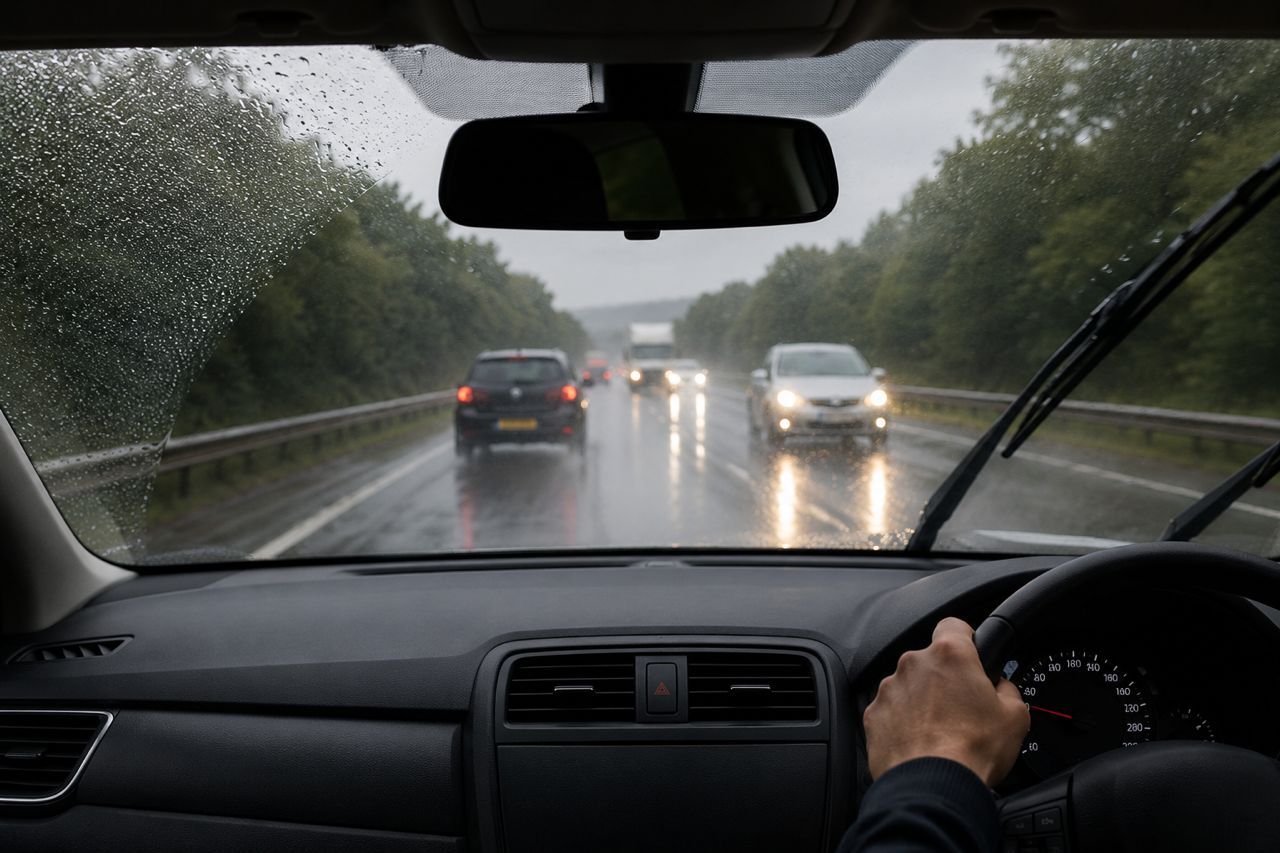
Water entering the cabin is one of the clearest signs that a windscreen seal is no longer performing properly. After rain or a car wash, check the area around the windscreen for dampness. Water may appear along the dashboard, roof lining, pillars or floor rather than directly beside the point where it entered. Because water can travel behind trim, finding a damp patch does not always reveal the exact location of the failed seal.
Persistent moisture can create several secondary problems. Wet interior materials can develop unpleasant odours, while repeated exposure to moisture can contribute to mould or deterioration of fabrics and trim. In some vehicles, water reaching electrical components can create additional concerns. The longer a leak continues, the greater the opportunity for moisture to affect areas that are difficult and expensive to access.
A leak can also become more noticeable during heavy rainfall. A seal with a small opening may cope with light showers but allow water through when rain is driven against the windscreen at higher pressure. Parking on a slope can change the direction water travels, making an intermittent leak particularly difficult for a driver to identify.
It is worth paying attention to unexplained dampness even if there are no obvious cracks in the rubber. The failure may occur underneath the visible edge, around a corner or where previous windscreen work has affected the bond. A professional technician can inspect the glass, surrounding seal and installation area rather than treating the visible water mark as the entire problem.
Another clue is a change in how the seal looks after cleaning the vehicle. Pressure from high-pressure water can reveal a weak section by allowing moisture to pass through a deteriorated edge. This does not mean pressure washing damages a healthy seal, but an existing weakness may become noticeable afterwards. Drivers should avoid assuming that leaks come from the windscreen. Roof drains, door seals and air conditioning systems can create similar symptoms. That is why locating the source matters before replacement is recommended. An inspection prevents unnecessary work and helps ensure the correct repair is performed.
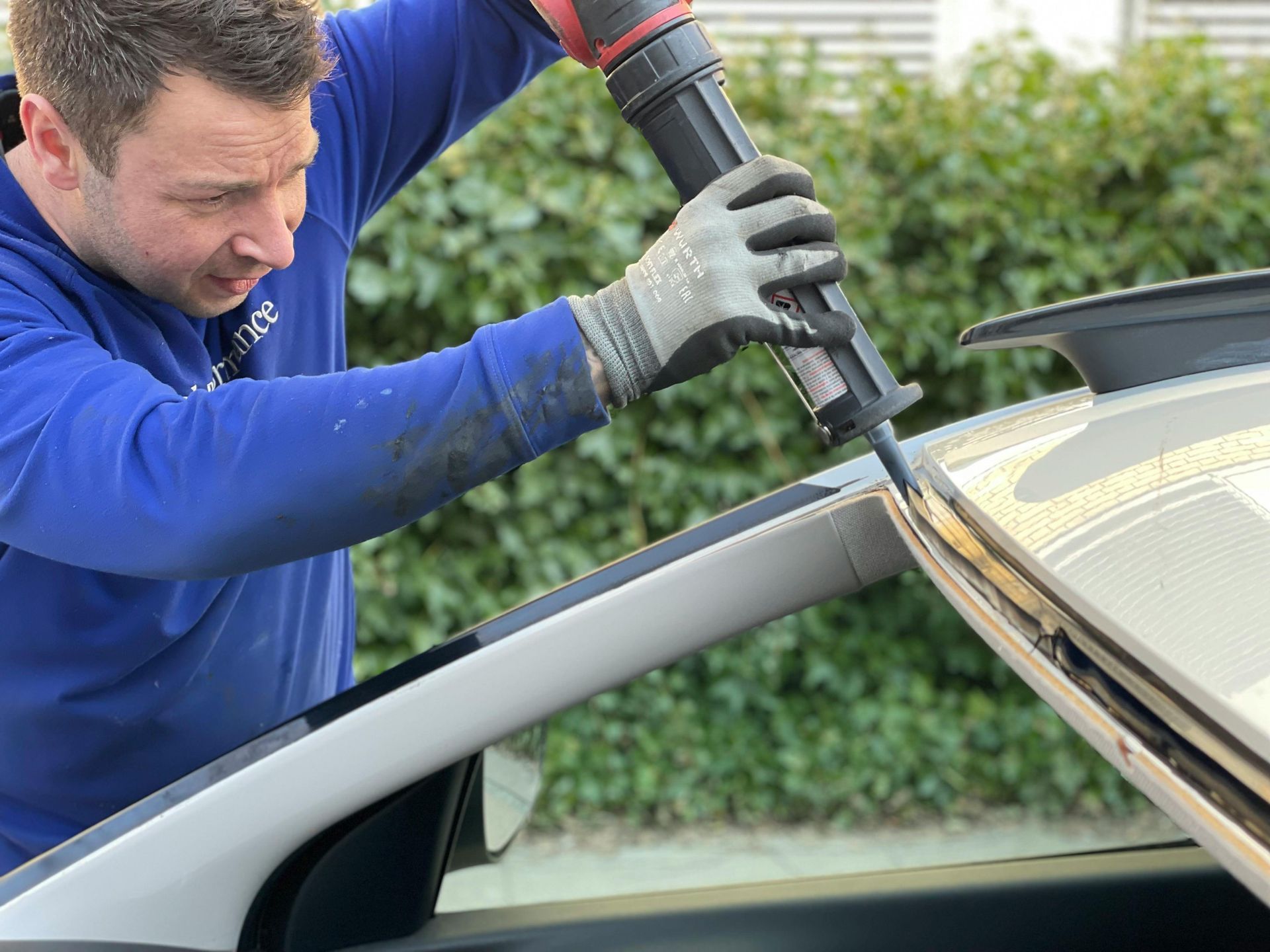
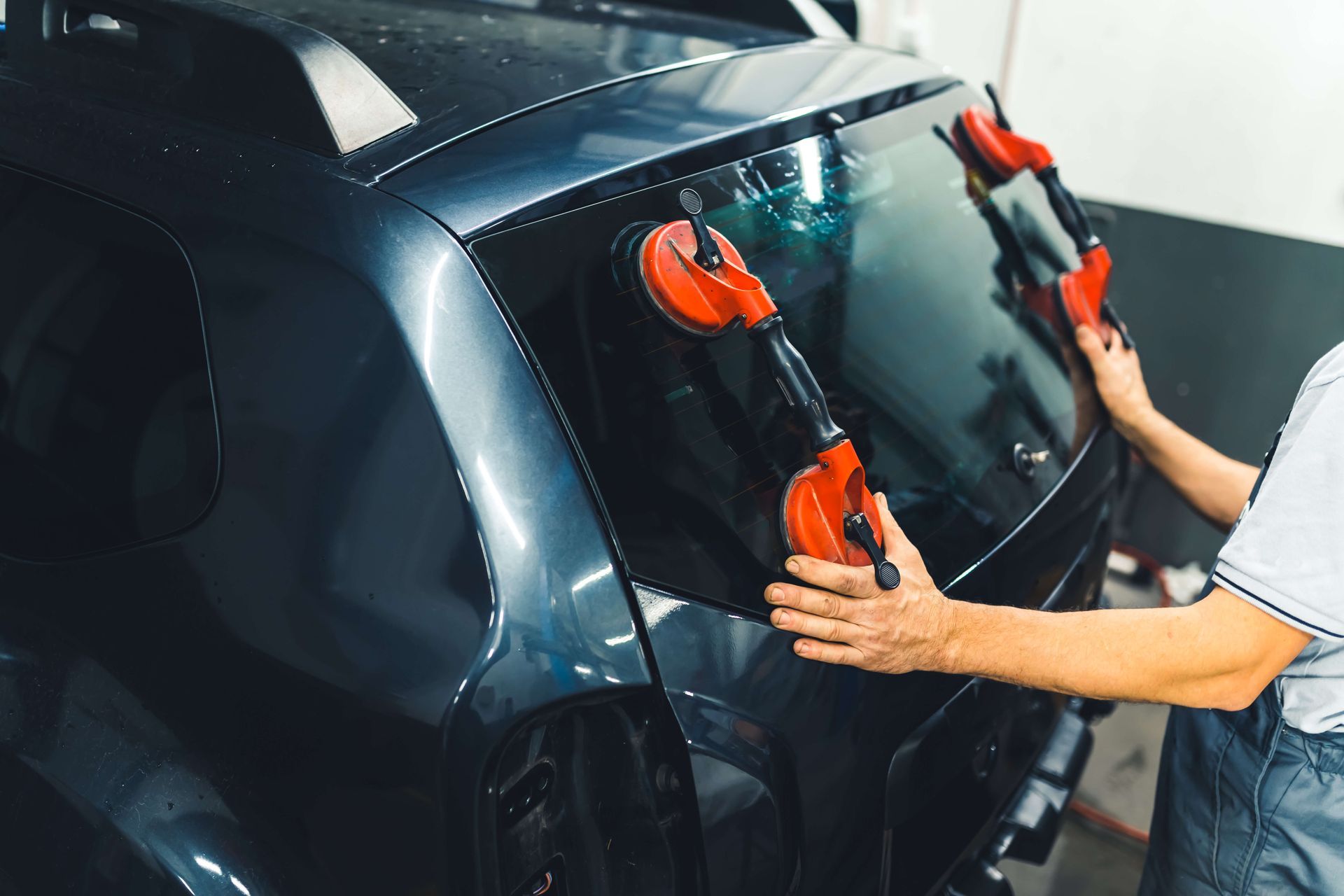
Bankstown Mobile Windscreens specifically describes water leakage as a key sign of a faulty rubber seal and recommends windscreen rubber resealing when water is entering the vehicle. Its service process includes removing the windscreen when necessary, cleaning and drying the glass and vehicle surface, applying suitable sealant and refitting the windscreen carefully.
3. Wind Noise, Loose Sections and Changes Around the Windscreen
Not every failing seal announces itself with water. Increased wind noise, visible separation and changes in the way the windscreen sits can also indicate that the seal or surrounding installation needs professional attention.
A sudden increase in wind noise can be noticeable at motorway speeds. A small opening around the windscreen can change airflow and create a whistling, rushing or humming sound that was not present previously. While wind noise can have many causes, including door seals and other vehicle components, a new sound close to the windscreen deserves investigation when it appears alongside damaged rubber.
Look closely at the seal from outside the vehicle without pulling on it. You may notice a section that has lifted, become uneven or no longer follows the glass consistently. Gaps around corners can be particularly important because they may allow water and air to pass through the seal.
Another warning sign is movement or a change in the apparent position of the windscreen. The windscreen is an important structural component of many modern vehicles, so its installation is not simply a matter of keeping the glass in place cosmetically. If the seal is severely deteriorated or the glass has been disturbed, professional assessment is preferable to attempting a home repair.
Previous windscreen replacement can also be relevant. If a leak or wind noise begins soon after glass replacement, the issue may involve the seal, adhesive bond, installation or fit rather than normal ageing. This is one reason a technician should assess the complete installation rather than automatically replacing only the visible rubber.
Do not rely on household silicone, adhesive or improvised materials as a permanent solution. Windscreen installation involves materials and procedures designed for automotive glass, and an unsuitable product can interfere with proper bonding or make future removal more difficult. A professional technician can determine whether resealing is sufficient or whether the rubber and windscreen need more extensive work.
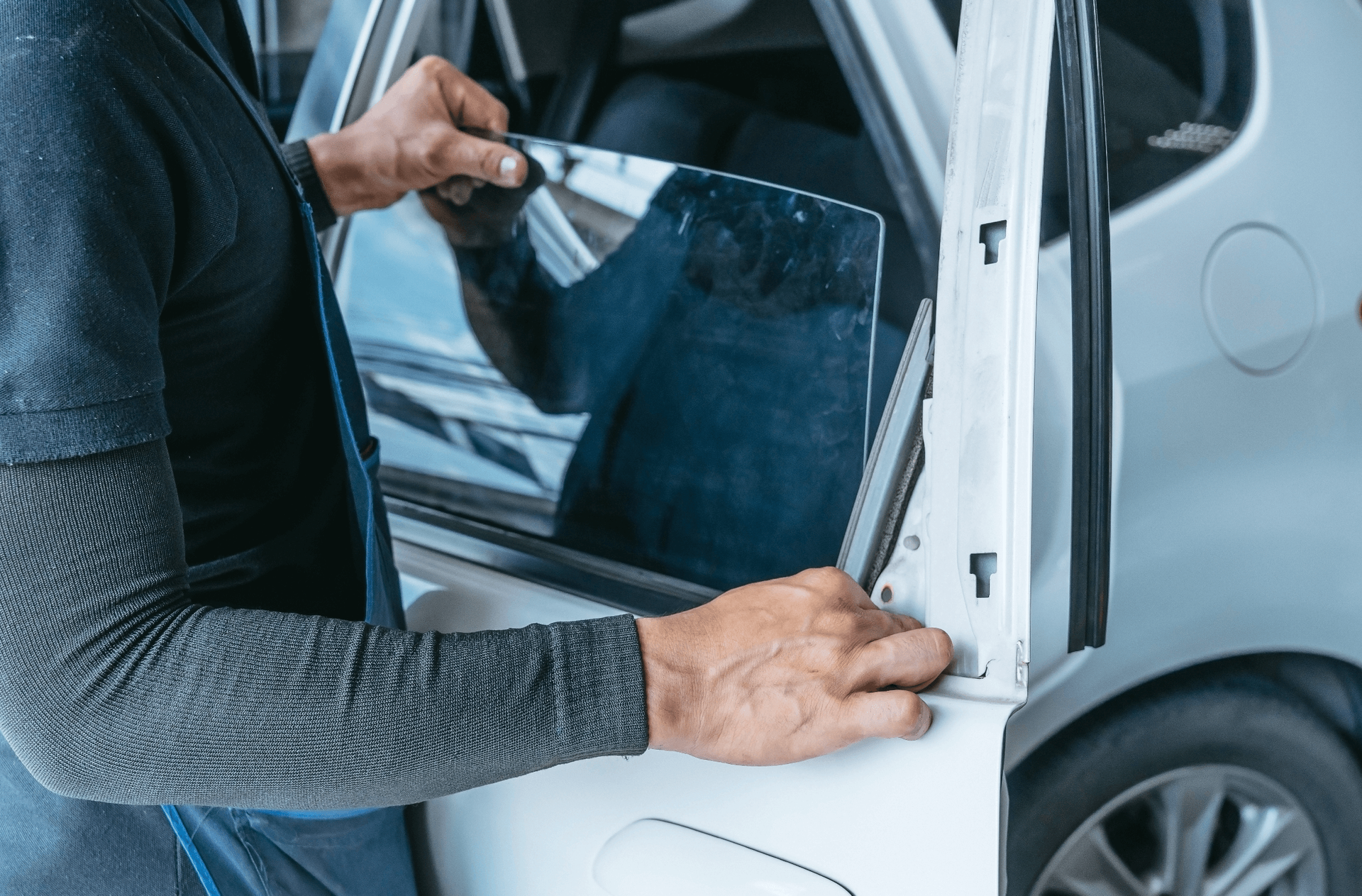
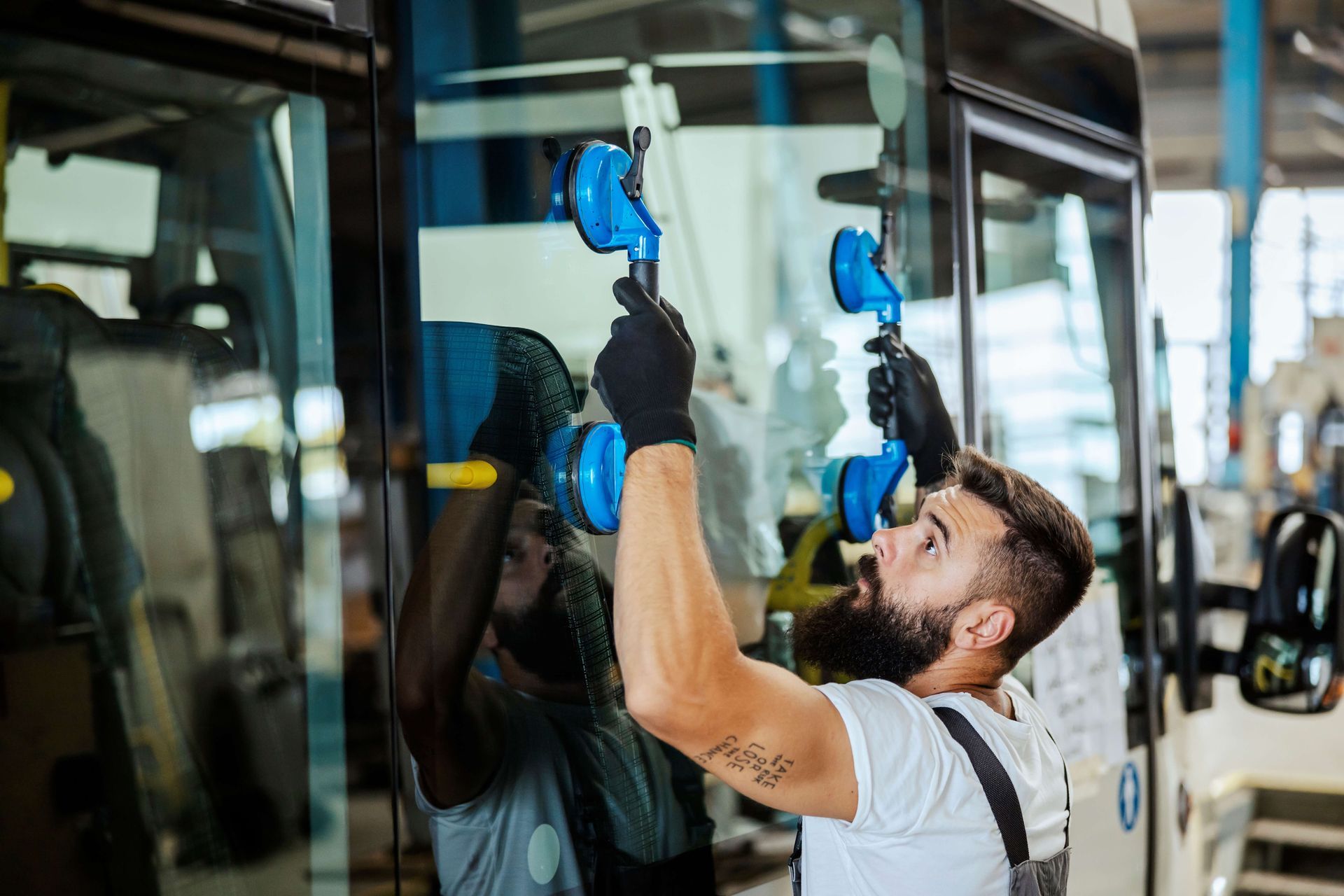
Bankstown Mobile Windscreens offers mobile windscreen services in Sydney and states that its technicians can inspect and replace damaged windscreen rubber seals. The company also provides windscreen replacement for cars, trucks and buses, with a same-day mobile service and OEM-quality windscreens for replacement work.
Conclusion
Cracked or brittle rubber, unexplained water entering the cabin, increased wind noise, visible gaps and changes around the windscreen can all justify an inspection. A damaged seal can affect more than driving comfort because it may allow moisture and dust into the vehicle and, when deterioration is severe, affect the security of the windscreen installation. Catching the problem early gives a technician a better opportunity to determine whether resealing or complete rubber seal replacement is appropriate.
If you notice dampness after rain, a new whistle at highway speed or rubber that has become hard and visibly split, do not wait for the problem to become obvious. Avoid temporary DIY sealants and have the windscreen area assessed by an experienced technician who can examine the glass, seal and surrounding installation together. For Bankstown and surrounding Sydney drivers, professional attention can restore a proper seal and help protect the vehicle’s interior, comfort and windscreen performance.
About Bankstown Mobile Windscreens
Bankstown Mobile Windscreens, operating as Bankstown Mobile Windscreens, provides mobile automotive glass services across Bankstown and surrounding Sydney areas. The company specialises in windscreen replacement, windscreen rubber resealing and replacement, side window replacement, rear glass services and bus windscreen replacement for a range of vehicle types. Its mobile technicians can attend customers at their home, workplace or another suitable location, offering a convenient alternative to travelling to a workshop. The company states that it uses OEM-quality windscreens for replacement work, follows a careful resealing process and provides a 100% lifetime guarantee on windscreen replacements, giving local customers a convenient way to address damaged glass and deteriorated seals.