The Importance of Clear Visibility for Safe Daily Driving
Clear visibility is one of the most essential yet underestimated factors in road safety. Every decision a driver makes on the road depends on how quickly and accurately they can see what is happening around them. From reacting to sudden traffic changes to spotting pedestrians and hazards, visibility directly influences driving performance. In busy urban environments like Bankstown, where traffic conditions change rapidly, maintaining a clear and unobstructed view of the road is critical for preventing accidents and ensuring safe daily travel. Poor visibility is not always caused by extreme conditions. It often begins with small, unnoticed issues such as windscreen smears, minor chips, glare, or dirty glass. Over time, these small problems can reduce driving clarity and increase risk. Understanding why visibility matters and how it can be affected helps drivers take proactive steps to stay safer on the road.

How Clear Visibility Directly Impacts Road Safety
Clear visibility safe driving road awareness reaction time is the foundation of accident prevention. When a driver has a full and unobstructed view of the road, they are better equipped to respond to hazards, judge distances, and make safe decisions. Even a slight reduction in visibility can delay reactions and increase the likelihood of collisions, especially in high-traffic areas.
Reaction time and hazard detection
Reaction time plays a major role in safe driving. When visibility is reduced, even slightly, the brain requires more time to interpret what is being seen. This delay can cause drivers to brake late or misjudge the speed of approaching vehicles. Clear windscreens ensure that drivers can detect hazards instantly, whether it is a pedestrian stepping onto the road or a vehicle changing lanes unexpectedly.
In Bankstown’s busy traffic conditions, hazards can appear from multiple directions at once. Clear visibility allows drivers to scan intersections, monitor mirrors, and track surrounding vehicles without strain. When vision is compromised, situational awareness drops significantly, increasing the risk of sudden incidents.
Depth perception and spatial awareness
Depth perception is another critical aspect of safe driving. It helps drivers judge how far away other vehicles, obstacles, or pedestrians are. A clean and undamaged windscreen supports accurate depth perception by allowing light to pass through evenly. However, chips, scratches, or dirt can distort visual cues and make objects appear closer or further than they actually are.
This distortion becomes especially dangerous during lane changes, merging, and parking. Drivers rely on accurate spatial judgment to avoid collisions, and any interference with visibility can lead to costly mistakes.
How Windscreen Condition Affects Visibility Quality
Windscreen condition visibility clarity glass damage road safety plays a major role in how well a driver can see under different conditions. Even minor imperfections in the glass surface can significantly affect visibility, especially when exposed to sunlight, headlights, or rain. Many drivers underestimate how much their windscreen contributes to overall driving clarity.
Chips, cracks and visual distortion
Small chips may appear harmless, but they can bend light as it passes through the glass. This creates distortion, especially when driving toward bright sunlight or night-time headlights. Over time, chips can spread into cracks, increasing the affected viewing area and further reducing visibility.
Cracks are particularly dangerous when they extend into the driver’s line of sight. They can create blind spots, break up reflections, and scatter light unpredictably. This makes it harder to focus on the road and increases visual fatigue during longer drives.
Dirt, smears and glare issues
A dirty windscreen can reduce visibility just as much as physical damage. Dust, fingerprints, road grime, and insect residue can scatter light and reduce clarity. When sunlight or headlights hit these particles, glare becomes more intense, making it harder to see clearly.
At night, glare from oncoming traffic is one of the biggest visibility challenges. A clean windscreen reduces light scatter and helps maintain sharper contrast, making it easier to distinguish road edges, signs, and obstacles.
Weather conditions and windscreen performance
Weather has a significant impact on visibility quality. Rain can reduce contrast and make road markings harder to see, especially if wiper blades are worn. Fog and humidity can create condensation that builds up on the glass surface, further limiting visibility.
A properly maintained windscreen works together with wipers and defogging systems to maintain clarity in all conditions. When the glass is damaged or dirty, these systems become less effective, reducing overall safety.
Why Regular Maintenance Is Essential for Safe Driving Visibility
Regular maintenance driving safety windscreen care prevention is key to ensuring long-term visibility and road safety. Many visibility problems develop gradually, meaning drivers may not notice them until they become serious. Routine checks and timely repairs help prevent small issues from turning into major safety hazards.
Importance of early chip repair
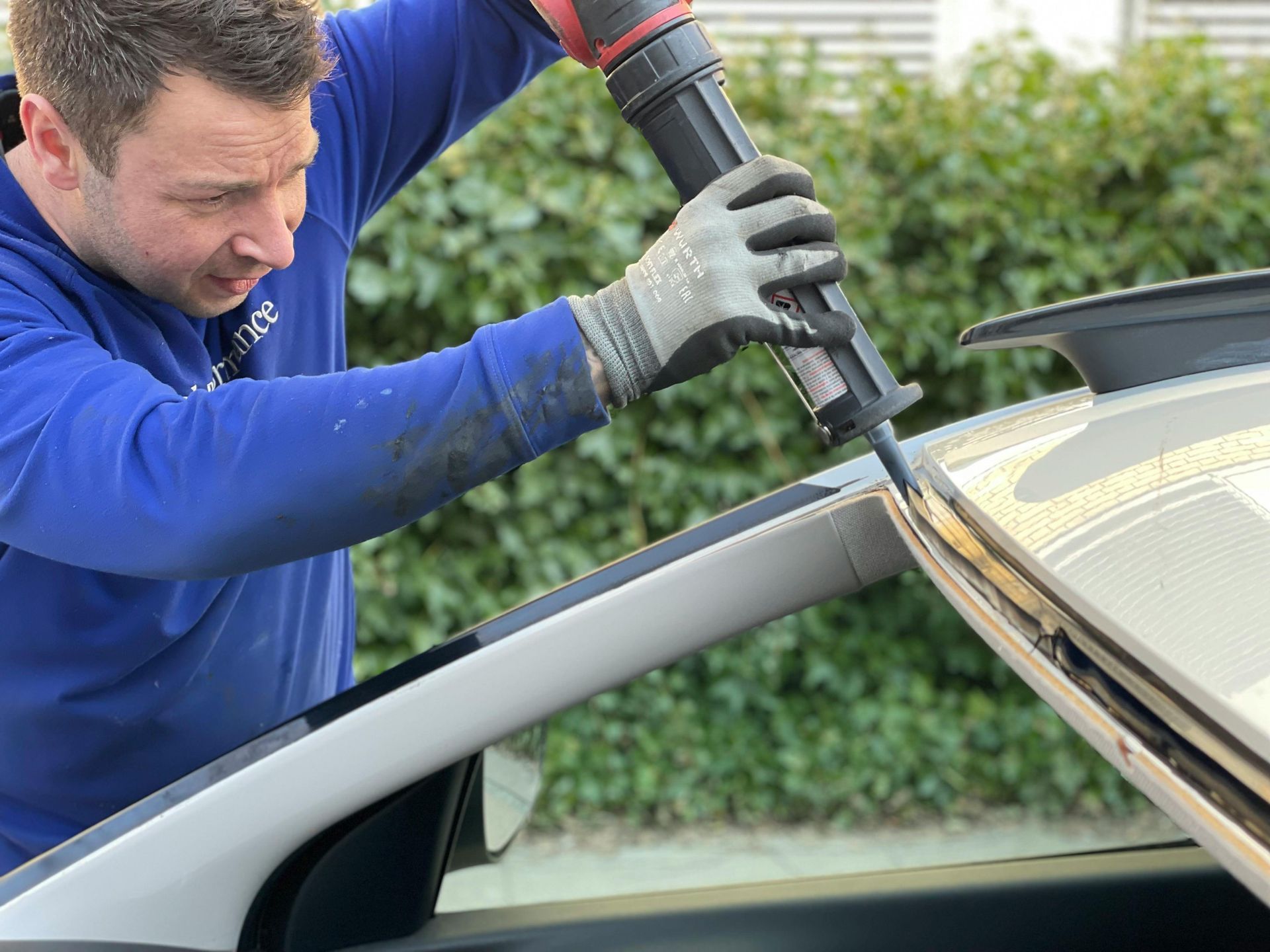
Early chip repair is one of the most effective ways to maintain clear visibility. Small chips are easier and cheaper to fix before they spread into larger cracks. Repairing them quickly also prevents light distortion from expanding across the windscreen.
Ignoring chips often leads to more extensive damage that requires full windscreen replacement. This not only increases costs but also takes longer to resolve, leaving the vehicle unsafe in the meantime.
Wiper blade and cleaning maintenance
Wiper blades are essential for maintaining visibility during rain and wet conditions. Worn blades can leave streaks, smears, or missed patches, reducing clarity significantly. Replacing them regularly ensures consistent performance and clearer vision.
Proper cleaning also plays a key role. Using suitable cleaning products helps remove buildup without damaging the glass surface. Avoiding abrasive materials prevents micro-scratches that can accumulate over time and affect visibility.
Safe driving habits that support visibility
Driver behaviour also contributes to maintaining clear vision on the road. Simple habits such as keeping distance from construction vehicles, avoiding tailgating, and reducing speed in poor conditions all help reduce visibility-related risks.
Parking in shaded areas when possible also helps prevent sun damage and reduces glare buildup on the windscreen. These small habits collectively support safer and clearer driving conditions.
Conclusion
Clear visibility is essential for safe daily driving because it directly affects reaction time, awareness, and decision-making on the road. Even minor issues such as chips, dirt, or worn wipers can significantly reduce how well a driver sees their surroundings. In busy traffic environments like Bankstown, maintaining full visibility is critical for avoiding accidents and ensuring smooth, confident driving.
Regular maintenance and early windscreen repairs help preserve visibility and prevent small problems from escalating into serious safety risks. By keeping the windscreen clean, undamaged, and properly maintained, drivers can improve road awareness and reduce the likelihood of unexpected hazards. Safe driving begins with clear vision, and consistent care ensures that vision remains reliable in all conditions.
About Bankstown Windscreens
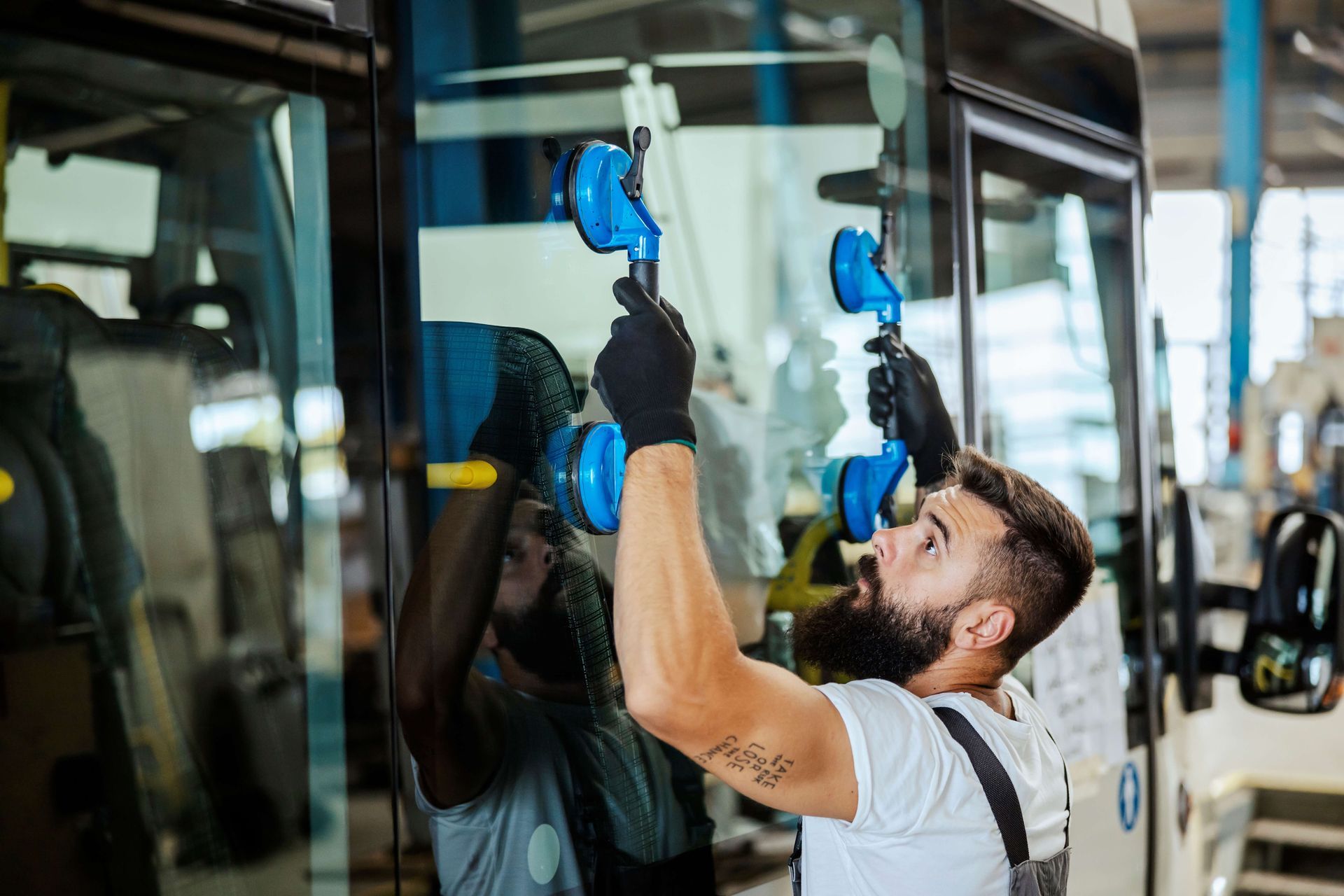
Bankstown Windscreens provides professional windscreen repair and replacement services for drivers across Bankstown and surrounding Sydney suburbs. Their services include chip repairs, crack restoration, full windscreen replacement, and mobile windscreen assistance designed for convenience and safety. The company focuses on restoring clear visibility using high-quality materials and expert installation techniques suited for all vehicle types. Customers benefit from fast response times, reliable workmanship, and practical solutions that help maintain safe driving conditions in all weather and traffic environments.